


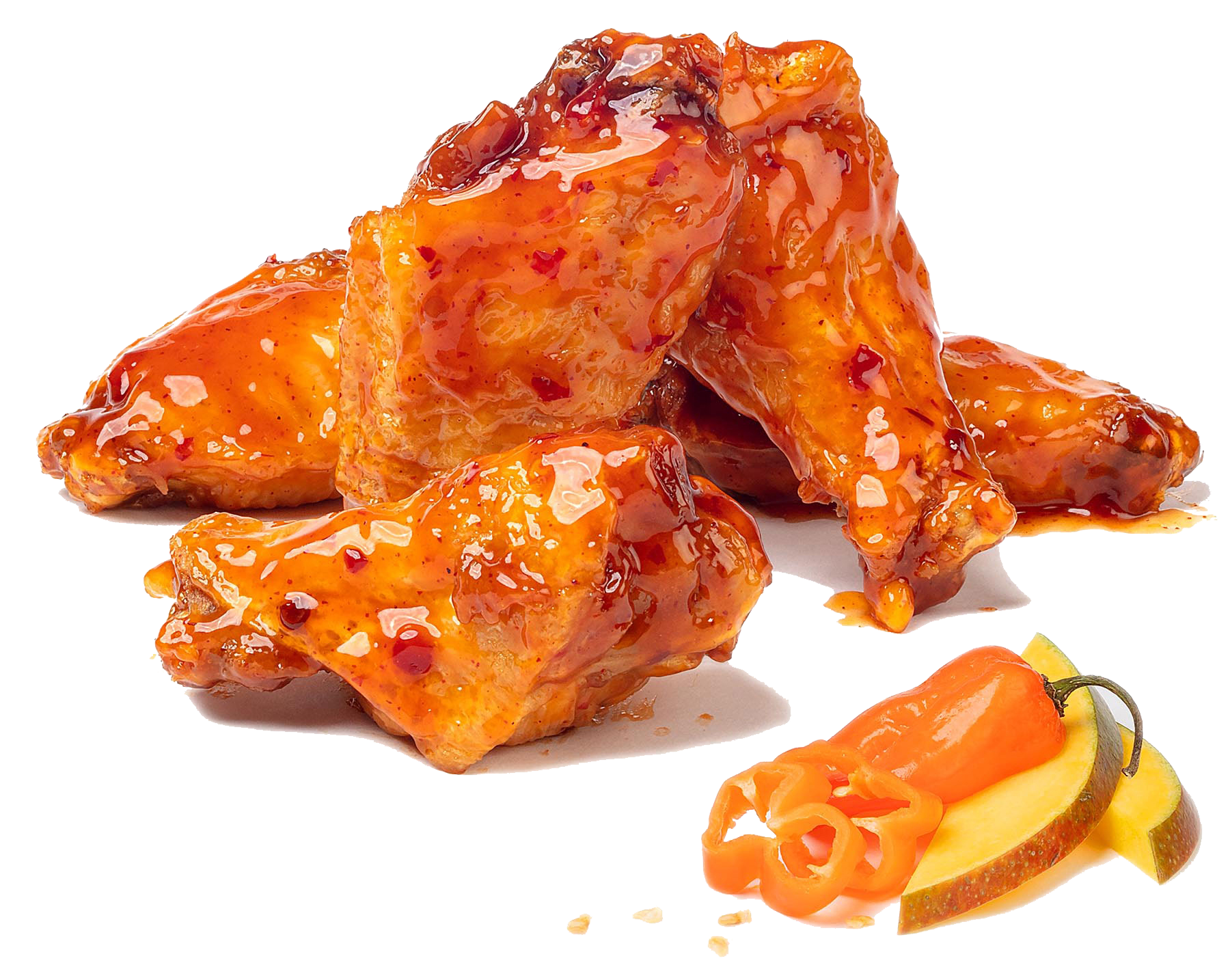
Fresh wings and fries taste better because of how they handle moisture and heat. Chicken that has never been frozen holds on to more of its natural juices. Fresh fries cooked to order reach you while their crust is still crisp. Well-maintained fryer oil seals food quickly without leaving off-flavors behind. At The Buffalo Spot, our chicken is hand-cut daily, never frozen, and cooked to order, and our fresh fries are cooked for every order.
That first bite, with the crunch, the rush of steam, and the juicy meat underneath, doesn’t happen by accident. And wings are serious business in this country. The USDA estimated that about 1.6 billion chicken wing portions were marketed in the week leading up to a single Super Bowl. With that many wings on the table, the details that separate a great one from a forgettable one matter.
Why Never-Frozen Chicken Makes Juicier Wings
When raw chicken freezes, the water inside the meat forms ice crystals that can damage its muscle fibers. When that chicken thaws, some of its natural moisture leaks out before it ever reaches the fryer. The result can be a wing that cooks up drier and chewier, with skin that steams instead of crisping.
Chicken that has never been frozen keeps its structure intact, so more of that moisture stays in the meat where it belongs. That’s why we cut our chicken fresh every day and never freeze it. Our bone-in wings are unbreaded, so the skin and meat have to deliver the crunch and juiciness on their own. There’s no batter to hide behind.
Fresh chicken also requires careful handling. According to the USDA Food Safety and Inspection Service, raw poultry should be kept at 40°F or below and cooked or frozen within two days, and it’s safe to eat once it reaches an internal temperature of 165°F. Fresh means working within a short window, which is exactly why we cut chicken daily instead of stockpiling it.
The Potato Science Behind Crispy Fries
Potatoes are full of water and starch, and both do real work in the fryer. When a fresh-cut fry hits hot oil, the water at the surface rapidly turns to steam while the starches on the outside set into a thin, rigid crust. That crust gives the fry its crunch while the inside stays light and fluffy.
Most restaurant fries start as a frozen product that has already been blanched, partially fried, and frozen before it ever reaches the kitchen. Fresh fries skip all of that. They go from potato to fryer to your order, so the texture and potato flavor come through without the extra processing steps. Here’s why fresh fries hold up:
- Natural starch: The starch in a fresh potato forms a delicate, crispy shell the moment it meets hot oil.
- Even moisture release: Fresh potatoes release steam steadily as they fry, which helps build a crust instead of a dense, waterlogged interior.
- Real potato flavor: With no pre-frying or freezing, the fry tastes like the potato it came from.
- Cooked to order: A fry is at its crispiest in the minutes after it leaves the fryer, which is why ours are cooked fresh for every order instead of sitting in a holding bin.
For our Buffalo Fries, the sauce goes on the chicken rather than soaking the fries directly, which helps the base stay crunchy. We break that down further in the science of crisp: how we keep fries crunchy under sauce.
Ready to taste the difference? Place an order and hear it in the crunch.
Why Clean Fryer Oil Matters
Deep frying works by surrounding food with hot oil so the outside sears quickly while the inside cooks through. Every oil has a smoke point, which is the temperature at which it starts to break down and develop a bitter taste and harsh odor. The USDA’s deep-fat frying guidance recommends oils with a high smoke point for exactly this reason.
Oil also breaks down with use. As it ages, it collects food particles and loses its ability to sear food quickly. Instead of sealing the surface, worn-out oil soaks in, leaving wings and fries greasy and dull-tasting. It’s also one of the reasons fried food turns soggy on the way home. Here are the common signs oil is past its prime:
- Foaming: Persistent foam on the surface is a sign the oil has started to break down.
- Dark, murky color: Oil that has turned cloudy or dark is carrying residue that can transfer to the food.
- Off odors: A bitter, fishy, or rancid smell means those flavors will end up in every bite.
- Smoking early: Oil that smokes at normal frying temperatures has lost its stability and needs to be replaced.
Getting the Fry Right: Heat, Batch Size, and Drainage
Good oil is only part of the equation. What happens during the fry matters just as much.
- Don’t overcrowd the basket: Too much food at once drops the oil temperature, so wings and fries absorb oil instead of searing. It can also lead to uneven cooking.
- Keep the heat steady: Consistent temperature is what produces a clean, golden crust batch after batch.
- Drain properly: Letting fried food drain on a rack or in a basket lets steam escape instead of pooling underneath and softening the crust.
- Cook to order: The fastest way to lose crunch is to let fried food sit. Food made fresh to order goes from fryer to you at its peak.
Sauce Comes Last, Not First
Fresh chicken is the foundation, and sauce builds on top of it rather than covering for it. A well-built wing sauce balances heat, acidity, and richness so it brings out the flavor of the chicken instead of just tasting like hot sauce on a mediocre wing. We break down those key flavor components of a great wing sauce in a separate guide.
At The Buffalo Spot, every order of wings is tossed in your choice of 12 sauces right after frying, from Mild and Original BBQ to Lemon Pepper, Garlic Parmesan, Mango Habanero, and Atomic Hot. If you’re trying to pick a lane, our guide to the difference between Buffalo, hot, and spicy wings is a good place to start. For the full heat ladder, see our heat levels guide.
Frequently Asked Questions
Are The Buffalo Spot’s wings fresh or frozen?
Our chicken is never frozen. We hand-cut our chicken daily and cook every order of wings, tenders, and Buffalo Fries to order.
How can you tell if a restaurant’s chicken wings are fresh?
When you’re looking for high-quality chicken wings, look for a restaurant that says its chicken is never frozen and cooks wings to order rather than holding them. Fresh wings have juicy meat that pulls cleanly from the bone and skin that’s crisp rather than rubbery. If a restaurant doesn’t say, it’s worth asking.
What is the best cooking method for crispy wings?
Deep frying is the standard for maximum crispiness because hot oil surrounds the wing and sears the entire surface at once. Air frying and high-heat baking are popular home alternatives, but they generally can’t match the fast, even heat of a commercial fryer.
How can you tell if frying oil has gone bad?
Oil that’s past its prime usually foams on the surface, looks dark or cloudy, smells bitter or rancid, or starts smoking at normal frying temperatures. Food cooked in worn-out oil tends to taste greasy and pick up off-flavors.
Why do frozen wings sometimes turn out soggy?
Freezing can damage the chicken’s muscle fibers, so thawed wings may release extra moisture. In the fryer, that moisture turns to steam and can soften the skin before it has a chance to crisp.
Taste the Difference at The Buffalo Spot
Great wings and crispy fries aren’t a matter of luck. They come from never-frozen chicken, fresh fries cooked to order, well-maintained oil, and sauces added at the right moment. Browse The Buffalo Spot menu to find your order, or find a Buffalo Spot location near you.
Skip the freezer aisle and get the real thing. Order from The Buffalo Spot today and hear that crunch for yourself.